

Spinal Cerebellar Ataxia – What Is the Disease?
Spinal cerebellar ataxia is a rare genetic disorder that affects the body’s motor coordination. The disease results from damage to the cerebellum or spinal cord, which are critical parts of the nervous system responsible for motor coordination and balance.
Spinal cerebellar ataxia comes in various forms, and its severity and progression rate can differ greatly from person to person. Symptoms depend on the type of disease and can include:
- Balance and coordination disorders
- Difficulty speaking and swallowing
- Tremors in the limbs
- Problems walking
- Sensory and spatial perception disorders
The disease progresses slowly and leads to a gradual deterioration in the sufferer’s functioning. Unfortunately, cerebellar ataxia is currently incurable, and treatment primarily focuses on alleviating symptoms and improving the patient’s quality of life. One potential treatment is stem cell therapy, which may provide relief and improve the patient’s condition.
What Is Lidia’s Story?
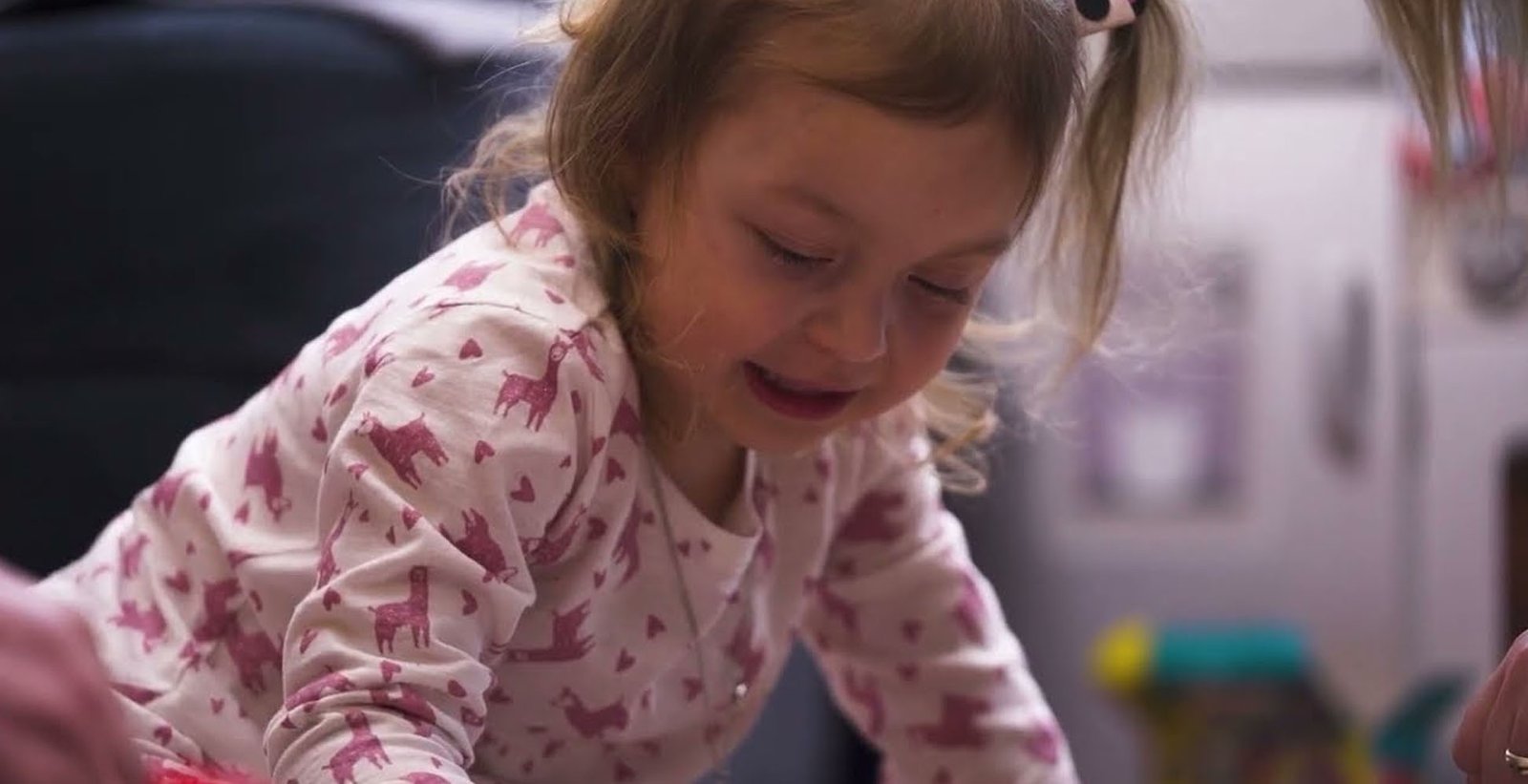
Lidia was born prematurely at 29 weeks’ gestation and faced health challenges from the very beginning. She developed bronchopulmonary dysplasia and struggled with eating. Her parents soon noticed that she wasn’t reaching developmental milestones typical for her age, and they began regular rehabilitation. Unfortunately, despite their efforts, there was no progress.
After consulting a geneticist, Lidia was diagnosed with spinal cerebellar ataxia, an incurable disease that caused movement and balance problems. Lidia could not walk independently and required assistance from her parents. She also suffered from painful muscle spasms throughout her body.
Effects of Stem Cell Therapy
Lidia’s parents learned about stem cell therapy and decided to pursue it for their daughter. After an initial medical evaluation, Lidia was qualified for stem cell therapy using umbilical cord stem cells.
Five days after the stem cells were administered, Lidia began to walk. Initially, she required assistance, but with each passing day, she made more progress and began walking like a normal child. The therapy helped alleviate the symptoms of cerebellar ataxia and significantly improved her overall condition.
The painful muscle spasms that had caused Lidia great discomfort disappeared, and her speech improved as well. She began speaking in full sentences.
“In Lidia’s case, these muscle spasms began to quiet down. At first, they decreased to fifty per day, but after the fourth administration of stem cells, they stopped completely. Initially, Lidia could only walk up stairs on all fours, but after the fifth administration, she began climbing stairs normally on her own,” says Ewa, Lidia’s mother.
Both the attending physician and Lidia’s parents are in favor of continuing stem cell therapy because it has brought remarkable results and allowed Lidia to live a more normal life.